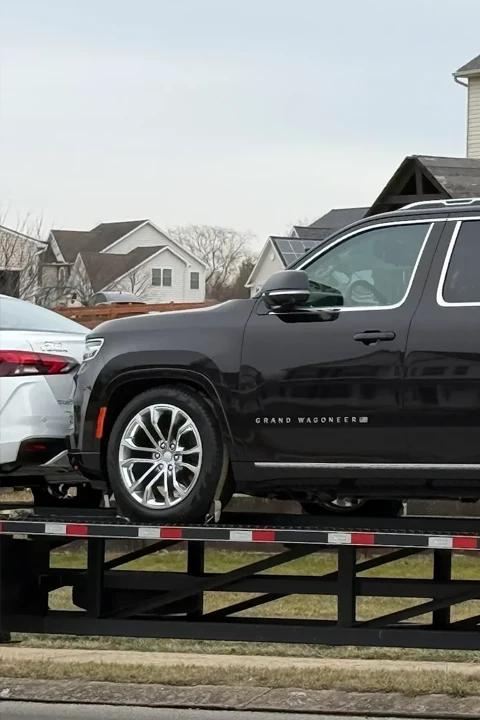
When it comes to transporting your vehicle across the country, ensuring its safety during the journey is paramount. Many individuals and businesses face the challenge of finding a reliable service that guarantees the protection of their automobiles while also being cost-effective. As the demand for door-to-door car shipping solutions continues to grow, so does the need for knowledge on how to navigate this complex process. In this guide, we will explore several proven strategies to ensure a smooth and secure vehicle transport experience.
Whether you are a private car owner relocating to a new state, a dealership needing to ship multiple vehicles, or a corporate client managing a fleet, understanding the ins and outs of vehicle shipping is vital. The process can often be daunting, filled with potential pitfalls that can lead to damage or delays. However, with the right approach and informed decision-making, you can mitigate these risks effectively. This article will provide you with key insights and actionable steps to achieve safe door-to-door car shipping.
From selecting a reputable carrier to preparing your vehicle for transport, each step plays a crucial role in the overall safety and success of the shipping process. We will cover essential tips, industry best practices, and common mistakes to avoid, allowing you to feel confident and informed when choosing your shipping provider. Let’s dive into these vital components to ensure your vehicle remains safe and sound, no matter where the journey takes it.
The first step in ensuring the safety of your vehicle during transport is to have a solid understanding of the shipping process. Vehicle shipping involves several stages, including pickup, transit, and delivery. Each of these stages presents unique challenges, and knowing what to expect can help you prepare adequately. For instance, during pickup, it’s essential to conduct a thorough inspection of your vehicle and document its condition with photographs. This provides a record in case any issues arise during transit.
Additionally, you should inquire about the shipping methods available, such as open or enclosed transport. Open transport is typically more affordable but exposes your vehicle to the elements, while enclosed transport offers greater protection, albeit at a higher cost. Understanding these options allows you to make informed decisions based on your budget and the level of protection you desire.
Another critical aspect is ensuring that the shipping company you choose is properly licensed and insured. Look for companies that are registered with the Federal Motor Carrier Safety Administration (FMCSA) and have a good reputation in the industry. Reading customer reviews and checking ratings can provide valuable insights into the reliability and quality of service. This foundational knowledge will set the stage for a smoother shipping experience. read more
Selecting a reputable car shipping company is one of the most critical decisions you will make during the transportation process. Not all carriers provide the same level of service, so it’s essential to do your research. Start by gathering quotes from multiple providers and comparing their offerings. Look beyond just the price; consider factors like customer service, delivery times, and insurance coverage.
Ask potential carriers about their experience in the industry and any specific expertise they may have regarding your type of vehicle. For example, if you are shipping a luxury or classic car, you will want a company that specializes in handling high-value vehicles. Additionally, ensure that they have a clear and transparent policy regarding damage and claims, as this will protect you in case something goes wrong during transport.
Don’t hesitate to ask for references or testimonials from previous clients. A trustworthy company will be happy to share their track record and demonstrate their commitment to customer satisfaction. By taking the time to vet your options thoroughly, you can greatly reduce the risk of issues arising during the shipping process.
Next, check the fluid levels and tire pressure, ensuring that your vehicle is in good working condition. If possible, leave only a quarter tank of gas in the tank, as this reduces weight and minimizes risks. Additionally, disable any alarms and remove or secure any loose parts, such as spoilers or antennas, that could get damaged during transport.
Basic liability coverage usually only compensates for damages that are due to the carrier's negligence. In contrast, full value protection covers the total value of your vehicle in case of loss or damage, regardless of fault. It’s advisable to choose the most comprehensive coverage available to ensure your vehicle is adequately protected throughout the journey.
Dispatch Dudes shipping solutions